 18 November 2010, 14.50 hrs.
LIMA—We walked off the busy, downtown Lima square into the quiet marble lobby of the Grand Hotel Bolivar on the Plaza San Martin and found the bar. The professional, black bow-tied bartender began building us two Pisco Sours and we relaxed after a long night and day of travel and making arrangements. The bartender chilled the glasses while he was making up the drinks with Pisco (an un-aged grape brandy) and handmade sour mix topped with a few drops of Amarga bitters. We took grateful sips and thought about the days and weeks to come.
The flight last night was uneventful, as the best flights are, and finally we banked in past a long coastline glowing with Lima’s nighttime lights that stretched far inland from the black line of the Pacific Ocean. We had already booked a room on-line at the Hostal El Patio and, true to their word, a driver with a sign was waiting for us once we had cleared customs and baggage claim. Atilo, from Cajamarca, drove us to the charming, flower-filled lodgings in the seaside Miraflores district of Lima. The neighborhood surrounding the hotel was active with strolling couples and smartly dressed people out for a night on the town, so despite the late hour we left the hotel in search of some dinner. Miraflores seemed no more threatening than any city’s nightlife district and a lot less so than that of Akron, Ohio and we found a table at the Rustica Bar just off Parque Kennedy. The meal of beefsteak and fries was uninspiring but filling and it was good to sit and drink a cold Cuzquena beer and look at my new wife across a table. To finally, after years of dreaming and years of Central America, be in South America on my honeymoon, south of the Equator and on the eve of a grand adventure.
After a restful night at Hostal El Patio we woke to a perfectly blue-skied day with a light breeze blowing the city pollution out to sea. We had read of the famously misty white and featureless Lima skies but this was not one of them. At breakfast there was a basket of coca leaves on the buffet to make tea with though we opted for coffee before beginning the day’s tasks.
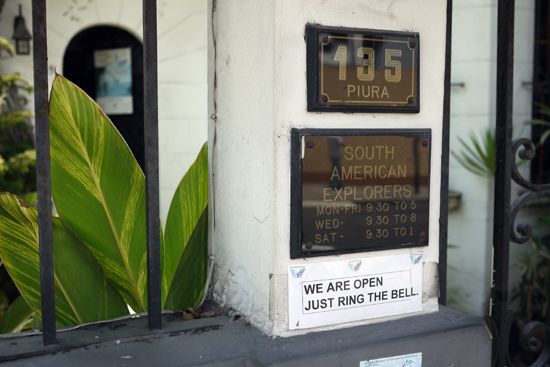
On the street I soon discovered one of Kristina’s great travel talents. She is able to look at a map of an area, orient it and then walk almost invariably in the right direction, directly to the destination, keeping street names and addresses in her head. So we walked a number of blocks to the gate of the South American Explorer’s Club and were buzzed into the tree-shaded, flower bedecked courtyard. We entered the cool interior smelling pleasantly of coffee and books and collected our membership cards (we had joined on-line). Straightaway, we began going through the maps and books and traveler’s accounts of Northern Peru and asking questions of the helpful staff. After answering a number of our questions about the North Coast we went on-line to buy airline tickets to Tarapoto for the next day.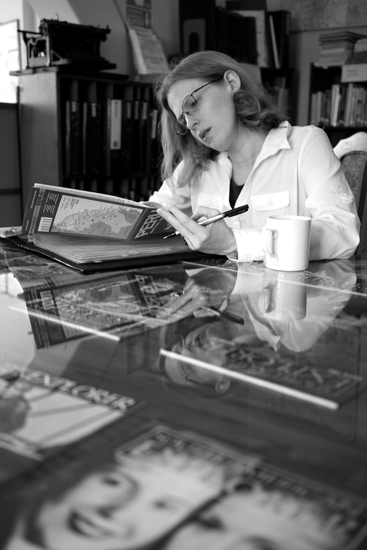
I would have preferred to travel overland, but even with three weeks we wouldn’t have had time to complete our objectives. And, to tell the truth, we would not lack for time in buses. Lima to Tarapoto alone would have taken at least three days. Peru is not only a huge country with twice the landmass of that famously big place Texas, but given its mountainous terrain there is rarely such thing as a straight highway. What might be only a few hours at 70mph on an Interstate can take all day at 20-40mph on a switchbacking Andean highway.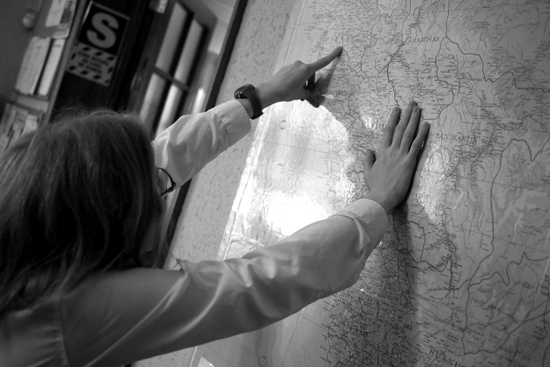
We were able to access the LAN Airlines website and found a likely flight but after a number of tries discovered that you can’t purchase a ticket on-line from LAN unless you have a Peruvian Visa card. We had to go to the LAN office—which at least was nearby on Avenida José Pardo (along with all the other airline and travel offices)—and bought the tickets in person. This, unfortunately, cost more than the on-line price (about $500 for the two of us, one-way). Still, it was done and we began walking up Avenida Arequipa and shortly caught a Collectivo bus. These short busses seem to have more or less set routes and for two Nuevo Soles apiece we headed towards Central Lima. Avenida Arequipa, which nearer the center becomes Avenida Garcilosa de la Vega (also known as Avenida Wilson) is one of the main arteries of transportation. People get on and off along the way and I got into an interesting discussion with a Peruvian man about his country’s history and current trends of internal migration. Mostly it was the familiar story of too many people moving from the rural areas into the city in search of work but of particular interest was what he said about Chinese immigrants to Peru.
The night before, while driving to the hotel from the airport, we noticed a large number of Chinese restaurants called “Chifaâ€. The man on the bus said that most of the Chinese Peruvians were Cantonese and had come to work on the plantations—and that Chifa is a Cantonese word (meaning exactly what is unclear). He said the Chifa was good and we decided to try some later on in our trip. I had had Chinese food in Honduras and El Salvador before (the Honduran being tastier in my experience) and was interested in what the Peruvian might be like.
We got off the bus downtown and wandered around for a while, moving with the crowds and dodging traffic as we crossed broad avenues. Soon we were very hungry and we found a local place down a quiet side street off Plaza San Martin where we took our lunch. We ordered bottles of Cuzquena dark but it wasn’t to my taste, sort of sweet and Bock-like, a good example of beer of its kind but not to my particular liking.
The tamales, however, were so good we ordered more directly after finishing the first ones. Made of a slightly grainy, yellow corn meal and containing a strip of chicken and, in a different twist, one olive including pit, they were among the best I have ever had. I consider myself a connoisseur of the tamale (which is an unfortunate thing to be for someone living in Ohio) and have eaten delicate, thin, white corn ones with shredded meat in the hills above Copan, thick and doughy round ones studded with beans off the street in Santa Rosa, dessert tamales flavored with honey in southern Mexico and some of my favorite Arizonan tamales at Los Olivos in Scottsdale and they are all different (in Ohio usually indifferent but that’s beside the point). These were unique and, best of all, Kristina finally understood why I like tamales. She, poor soul, had never had anything but the midwestern variety, which tend to be indigestible and resemble nothing so much as a meat-filled brick.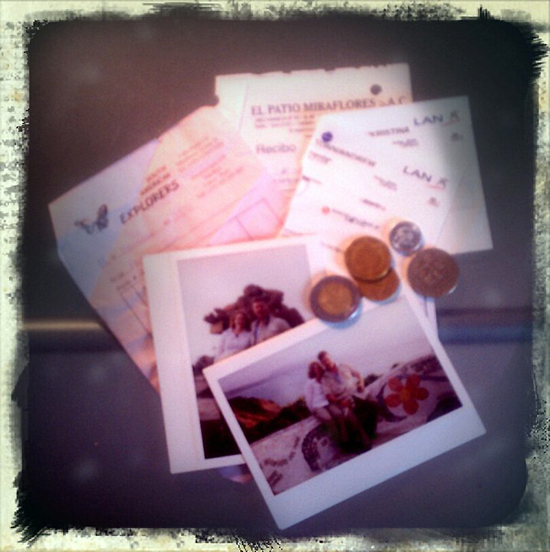
After lunch we walked around the corner to The Grand Hotel Bolivar and to the bar where it is said Mr. Hemingway used to tank up on Pisco Sours before heading north for big game fishing. The last time I had tippled with Papa was at Harry’s Bar in Venice which cost nearly $70 for two drinks. The cocktails at the Bolivar were a lot cheaper, though still pricy, and I wondered what came first, The Hemingway or the large bill and if there was any relation. We finished our drinks and resolved to try to stay at the Bolivar on our return to Lima. The idea of sitting on the same stools in three weeks after who knows what adventures in the wild north and recapping the trip over Pisco Sours seemed like sensible planning. We walked back into the noise and bustle of 21st century Lima to find a Collectivo back to Miraflores.
Post a Comment